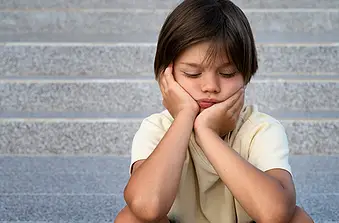
Adolescence is a crucial stage in a child’s life when they transition from childhood to adulthood. During this period, teenagers go through significant emotional, mental, and physical changes. They begin to develop their own opinions, understand relationships, and shape their perception of the world.
Parents play a vital role in guiding children during this important phase. They help teenagers understand values, responsibilities, and the realities of life. However, when conflicts arise between parents and lead to divorce, it can deeply affect the emotional and psychological well-being of children.
Divorce does not only impact the couple involved; it can also have long-lasting consequences for their children. Below are some common negative effects divorce may have on teenagers and young children.
1. Decline in Academic Performance
When parents separate, children often experience emotional stress and confusion. They may struggle to concentrate on their studies as they try to process the changes happening at home. As a result, their academic performance may decline, and they may feel discouraged or demotivated in school.
2. Difficulty Adjusting to Life Changes
Divorce often means major changes in a child’s life, such as living with only one parent, moving to a new home, or adjusting to a different routine. If a child is emotionally attached to one parent but must live with the other, it may cause distress and make the adjustment period more challenging.
3. Loss of Trust in Relationships
Witnessing their parents’ separation can make children question the stability of relationships. They may develop trust issues and become hesitant to believe in love or long-term commitments. This can influence their future relationships and family life.
4. Anger and Irritability
Children dealing with divorce may struggle to manage their emotions. Feelings of frustration, sadness, or confusion may lead to anger and irritability. They may become short-tempered and react strongly even to small situations involving friends, family members, or parents.
5. Feelings of Guilt
Some children believe they are responsible for their parents’ divorce. They may blame themselves for the separation, which can lead to feelings of guilt and emotional distress. Over time, this self-blame can affect their self-esteem and mental health.
Conclusion
Divorce can be a difficult experience for the entire family, especially for children who may not fully understand the situation. While some children adjust over time, others may silently struggle with emotional pain. Without proper care, communication, and support, these feelings can negatively affect their mental health and personal development.
Providing emotional support, counseling, and reassurance can help children cope with the situation and move forward in a healthier way.